
Ever stood in front of a stunning scene—waterfall, mountain, or sunset—and fumbled with your camera settings? You’re not alone. Getting the perfect shot isn’t just about showing up; it’s about knowing how to set up.
This guide is a beginner-friendly reference that breaks down the best camera settings and lens choices for popular photography scenarios. Whether you’re shooting beach reflections, wildlife in motion, or city skylines at dusk, this cheat sheet helps you get the shot right—first time.
Each section below also includes a call to action: if you’ve nailed a shot like this, share it with the Places4Photos community and inspire others!
💧 Best Settings for Waterfalls & Rivers
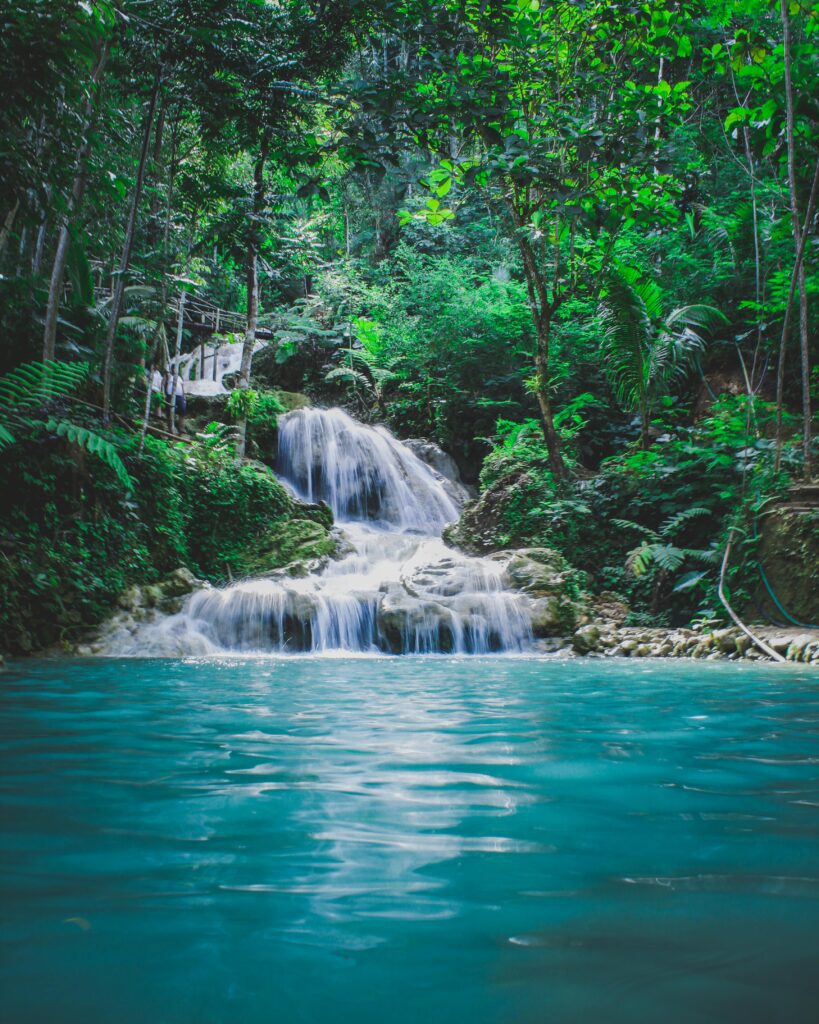
Waterfalls and rivers can create beautifully soft, flowing effects when photographed with long exposures. These scenes are dynamic and often surrounded by lush, reflective surfaces, so your camera settings need to slow things down without blowing out the highlights.
Lens Recommendation: Wide-angle (14–24mm)
Gear Tip: ND filter + tripod
Typical Settings:
- ISO: 100
- Aperture: f/11
- Shutter Speed: 0.5s to 2s
Lighting: Choose a cloudy or overcast day for soft, even lighting that avoids harsh highlights and deep shadows. Early mornings or late afternoons work well too.
Quick Tip: To get that dreamy water effect, keep your shutter open for a second or two. A neutral density (ND) filter helps control exposure, while a polarizer enhances the water’s clarity and removes reflections.
📸 Got a waterfall shot you love? Upload it to the map with your settings.
⛰️ Best Settings for Mountains & Wide Landscapes
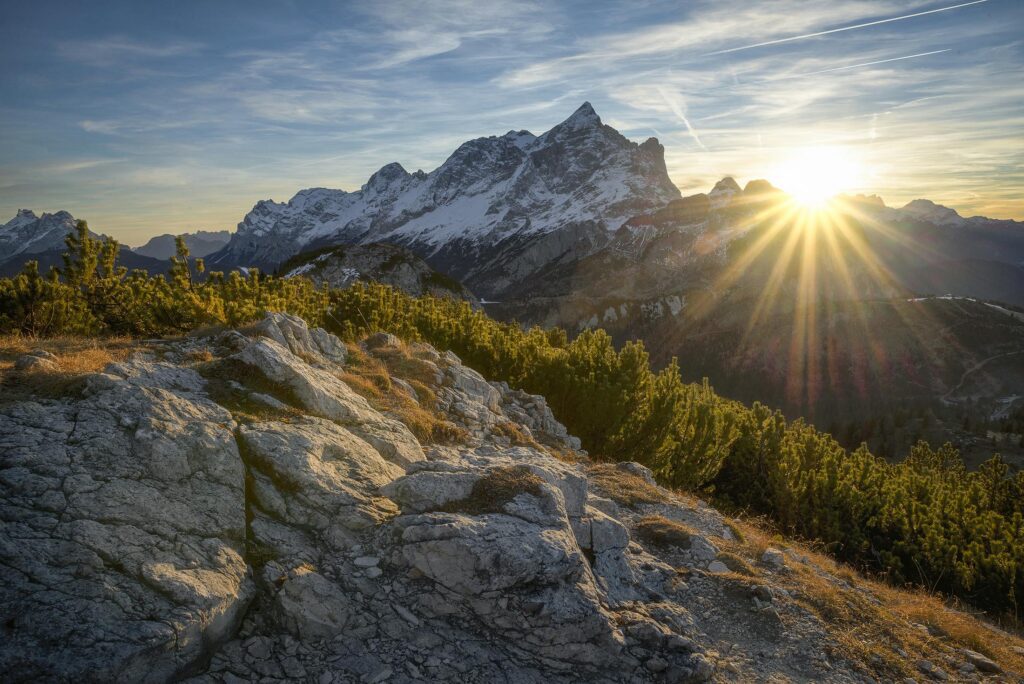
Mountain photography is all about scale and depth. Using a lens that allows you to compress distance or capture a wide field of view can help bring out layers of terrain and dramatic skies.
Lens Recommendation: 24–70mm or 70–200mm for distance compression
Typical Settings:
- ISO: 100
- Aperture: f/8–f/13
- Shutter Speed: 1/250s
Lighting: The best light often comes just after sunrise or before sunset, when shadows stretch across valleys and add depth to your shots.
Quick Tip: Use a small aperture for sharp focus from foreground to background. Long lenses help flatten the scene slightly and create stunning compression between mountain ridges.
🏖️ Best Settings for Beach Sunsets & Reflections
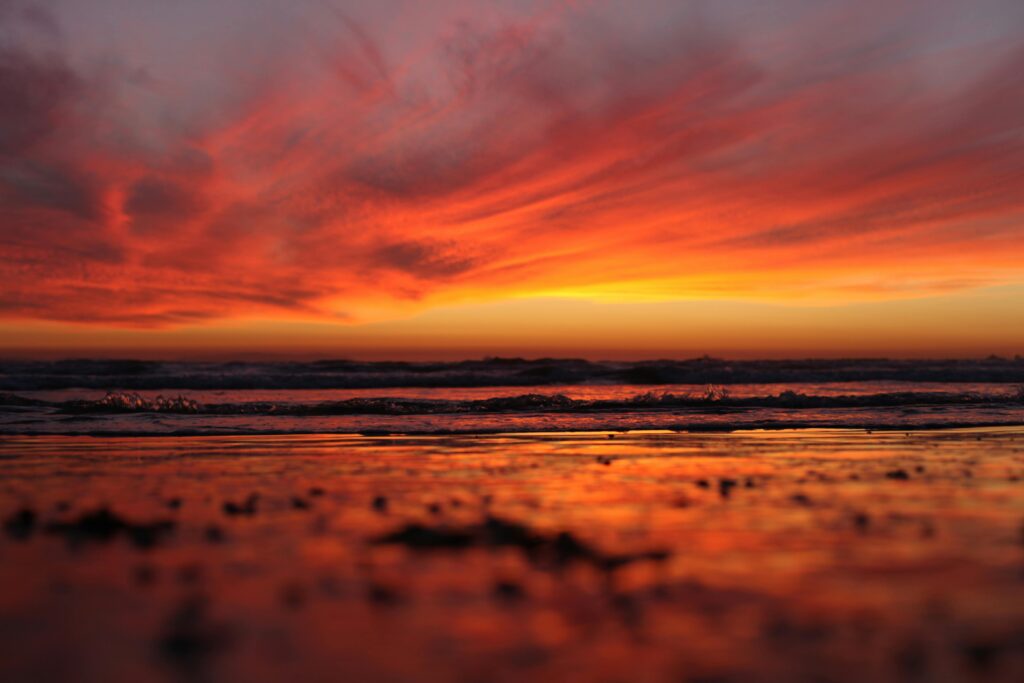
Photographing beach sunsets is all about timing and perspective. You want to capture the color shifts in the sky while making the most of natural reflections in wet sand or calm water.
Lens Recommendation: 16–35mm or prime 35mm
Typical Settings:
- ISO: 100
- Aperture: f/11
- Shutter Speed: 1/320s
Lighting: Aim for 20–40 minutes before the sun dips below the horizon to capture those rich golden and pink tones.
Quick Tip: Get down low and include wet sand or tidal pools in your frame. They act like mirrors and double the drama of the sky’s colors.
🏩 Best Settings for Cityscapes & Rooftop Views
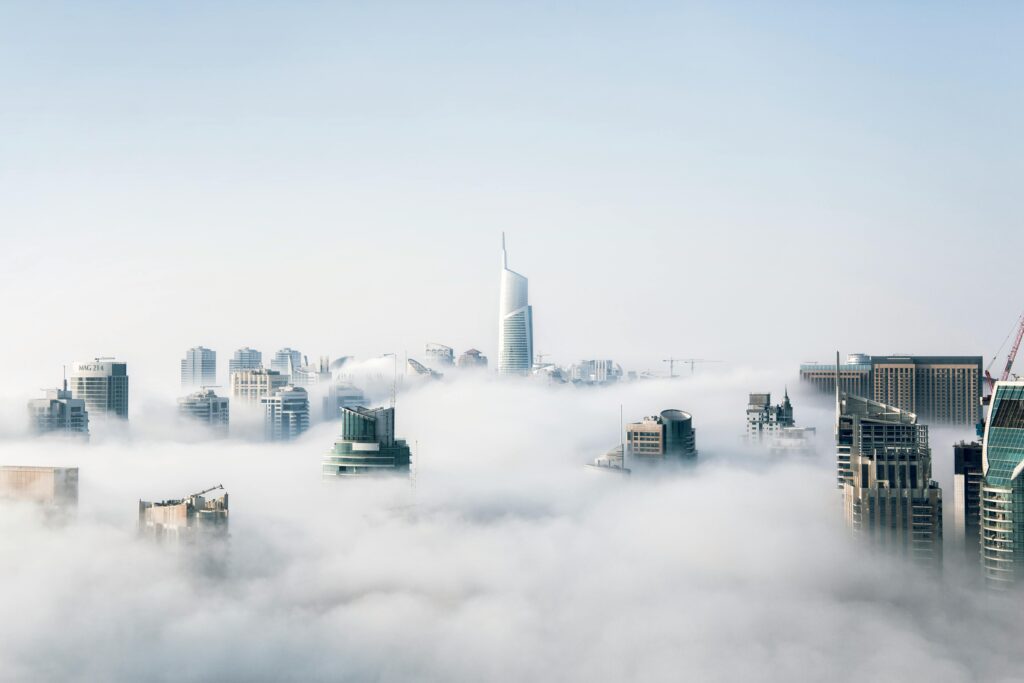
City photography is full of geometry, color, and movement. Rooftops and cityscapes are especially dynamic around blue hour, when the lights of the city contrast with the last glow of day.
Lens Recommendation: 35mm or 24–70mm zoom
Typical Settings:
- ISO: 200–400
- Aperture: f/4–f/8
- Shutter Speed: 1/125s–1/250s
Lighting: Blue hour (roughly 20–30 minutes after sunset) gives you rich skies and a balanced exposure between natural and artificial light.
Quick Tip: Want streaks from car lights? Lower your shutter speed and steady your camera on a tripod to blend motion into your scene.
🪳 Best Settings for Wildlife & Game Parks
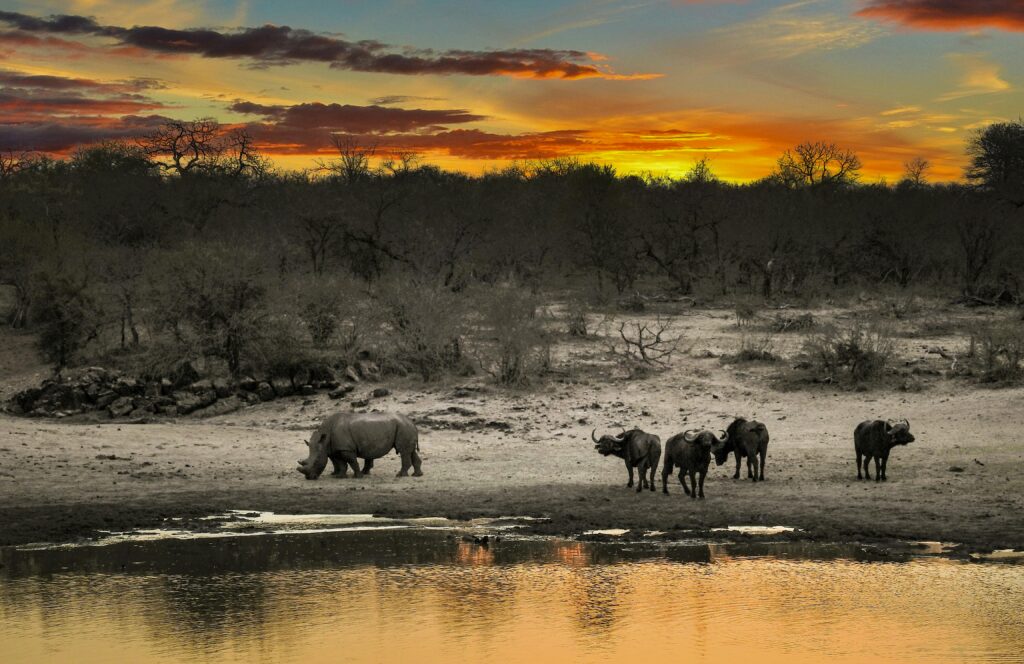
Wildlife photography demands fast reflexes and gear that can zoom in close without startling your subject. You’ll often be shooting handheld or from a vehicle, so image stability and fast shutter speed are key.
Lens Recommendation: 200–600mm (telephoto)
Typical Settings:
- ISO: 400–800
- Aperture: f/5.6–f/8
- Shutter Speed: 1/1000s or faster
Lighting: Early mornings and late afternoons are ideal—not just for soft light, but because animals are most active then.
Quick Tip: Use continuous autofocus (AF-C/AI-Servo) to track moving subjects and shoot in burst mode to improve your odds of nailing that perfect moment.
📍 Best Settings for Street & Candid Photography

Street and candid photography thrive on spontaneity. You need a lens that mimics the human eye, quick autofocus, and a shutter speed fast enough to freeze life in action.
Lens Recommendation: 35mm or 50mm prime
Typical Settings:
- ISO: 400
- Aperture: f/2.8
- Shutter Speed: 1/250s
Lighting: Golden hour creates soft, directional light with beautiful contrast. During the day, seek out open shade or interesting shadows for drama.
Quick Tip: Use aperture priority mode so you can react quickly. Keep your camera ready and shoot with intention—but don’t overthink each frame.
Final Thoughts
Think of this post as your pocket cheat sheet—a quick reference when you’re planning your next photo mission. And if you’ve already captured a killer shot in one of these categories, we’d love to feature it.
➡️ Upload your photo with the lens, settings, and GPS location.
Every time you share, you help another photographer learn, discover, and create.
Related Blog: 12 Best Sunset Photography Spots in Cape Town